
My Baby Hates Tummy Time: How to Make It Easier and More Enjoyable

If your baby starts crying the second you put them on their tummy, you are definitely not
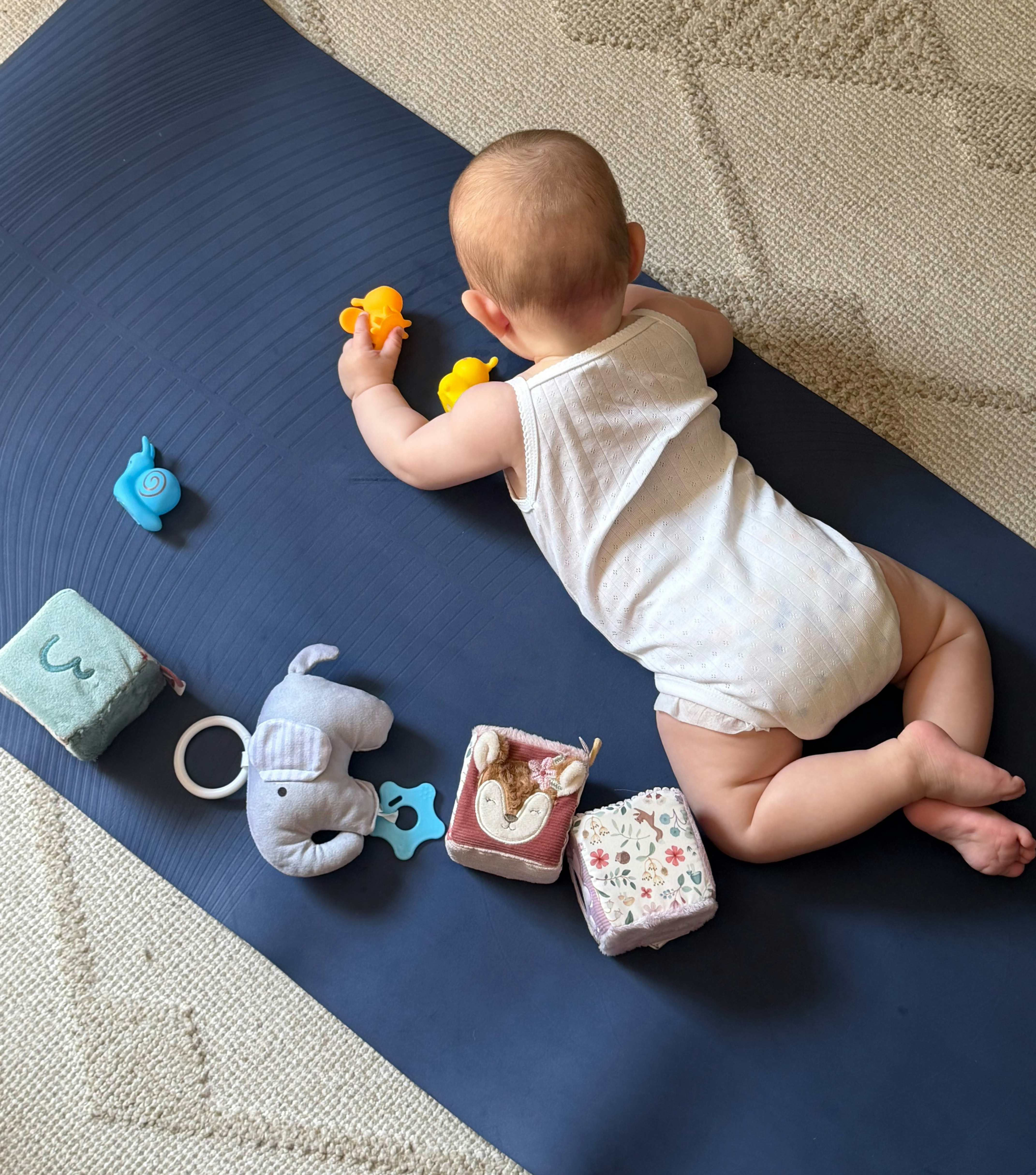
alone. Tummy time can be one of those parenting activities that sounds simple in theory but feels much harder in practice.
The good news? Your baby doesn't have to love tummy time for it to be beneficial. With a little creativity, patience, and plenty of short practice sessions, you can help your baby become more comfortable on their tummy while building the strength they need for important developmental milestones.
Why Is Tummy Time So Important?
Tummy time is essential for babies to develop the strength and coordination needed for many early motor skills.
Spending time on their tummy encourages babies to:
Strengthen their neck and head control
Build shoulder, arm, and upper-body strength
Develop core and back muscles
Practice pushing up through their arms
Learn to shift their weight
Reach for and interact with toys
Prepare for skills like rolling, sitting, crawling, and more
Think of tummy time as practice for all the movement skills that come later.
Why Does My Baby Hate Tummy Time?
There are several reasons tummy time may feel uncomfortable or frustrating for your baby.

They're Working Hard!
Being on their tummy is challenging. Your baby has to lift and control their head while working against gravity. Muscles that adults use without thinking are still developing for your baby. If your baby gets frustrated quickly, it doesn't necessarily mean they dislike tummy time, it may simply mean it's hard work!
They're Not Used to the Position
Babies spend a lot of time on their backs, so being placed in a completely different position can feel unfamiliar. Like any new skill, tummy time takes practice. Your baby may become more comfortable with it as they gain strength and confidence.
They're Hungry, Tired, or Overstimulated
Timing matters! A tired, hungry, or fussy baby probably isn't going to be excited about practicing a new motor skill. Try tummy time when your baby is awake, alert, and happy, rather than right before a nap or feeding.
They Don't Like Being on a Hard Surface
Some babies tolerate tummy time better when they have a little extra support.
You can try tummy time on your chest, across your lap, or with a small rolled towel placed under your baby's chest to provide support while they work on lifting their head.
How Can I Make Tummy Time More Enjoyable?
You don't have to put your baby on the floor and simply hope for the best. Tummy time can happen in lots of different ways!
1. Try Tummy Time on Your Chest
Lie back comfortably and place your baby tummy-down on your chest while they are awake and supervised. Your face is often much more interesting than a play mat, and your baby may be motivated to lift their head to look at you.
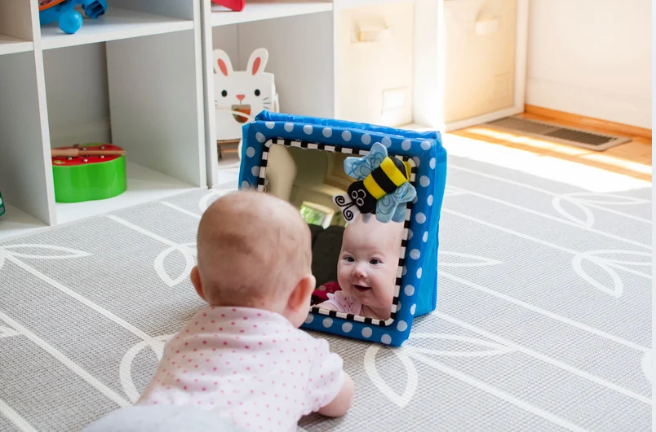
2. Use a Favorite Toy
Place a colorful toy, mirror, or another favorite object in front of your baby. Move it slowly
from side to side to encourage your baby to look, reach, and eventually shift their weight.
3. Get Down on Their Level
Instead of standing over your baby, get down on the floor with them. Talk, smile, sing, or make silly faces. Your baby may be much more motivated to lift their head when they can see and interact with you.
4. Keep Sessions Short
Tummy time doesn't have to happen all at once. If your baby can only tolerate a few minutes at a time, that's okay! Try several short sessions throughout the day and gradually increase the amount of time as your baby becomes stronger and more comfortable.
5. Change It Up
Tummy time doesn't always have to look the same.
Try:
Tummy time on your chest
Using a boppy pillow under their trunk
Tummy time across your lap
Tummy time on a yoga ball
Tummy time on a firm play mat
Using a rolled towel under the chest for additional support
The goal is to give your baby lots of opportunities to experience and practice being on their tummy.
What If My Baby Still Really Doesn't Like It?
It's okay if your baby still hates tummy time! You don't need to force your baby to stay in a position while they are extremely upset. Instead, try to find ways to make the experience more manageable. Even a few minutes of successful practice is valuable. As your baby gets stronger, tummy time will often become easier. Pay attention to your baby's cues and take breaks when needed. Progress doesn't have to happen all at once.
When Should I Talk to a Pediatrician or Physical Therapist?
Some fussiness during tummy time is completely normal. However, if your baby consistently struggles with tummy time or you have concerns about their movement, it's worth talking with your pediatrician or a pediatric physical therapist.
Consider seeking guidance if your baby:
Has significant difficulty lifting or controlling their head
Always turns their head to the same side
Appears very stiff or very floppy
Has difficulty using both sides of their body equally
Rarely reaches for or interacts with toys
Becomes extremely distressed with movement or positioning
Isn't making progress with head control or other motor skills
A pediatric physical therapist can help determine whether your baby simply needs more practice or whether there are underlying strength, mobility, or movement challenges that may be getting in the way.
Remember: Tummy Time Doesn't Have to Be Perfect
If your baby cries during tummy time, you haven't failed and neither has your baby.
Tummy time is hard work! Start small, make it playful, try different positions, and give your baby plenty of opportunities to practice throughout the day.
And remember, you're not just helping your baby tolerate tummy time. You're helping them build the strength, coordination, and confidence they'll use for the next big milestone.
Our pediatric physical therapists can help families understand their child's motor development and provide strategies that make practicing new skills feel more manageable and fun. If you have concerns about your baby's development, we're here to help your little one BEE the best they can BEE!



Comments